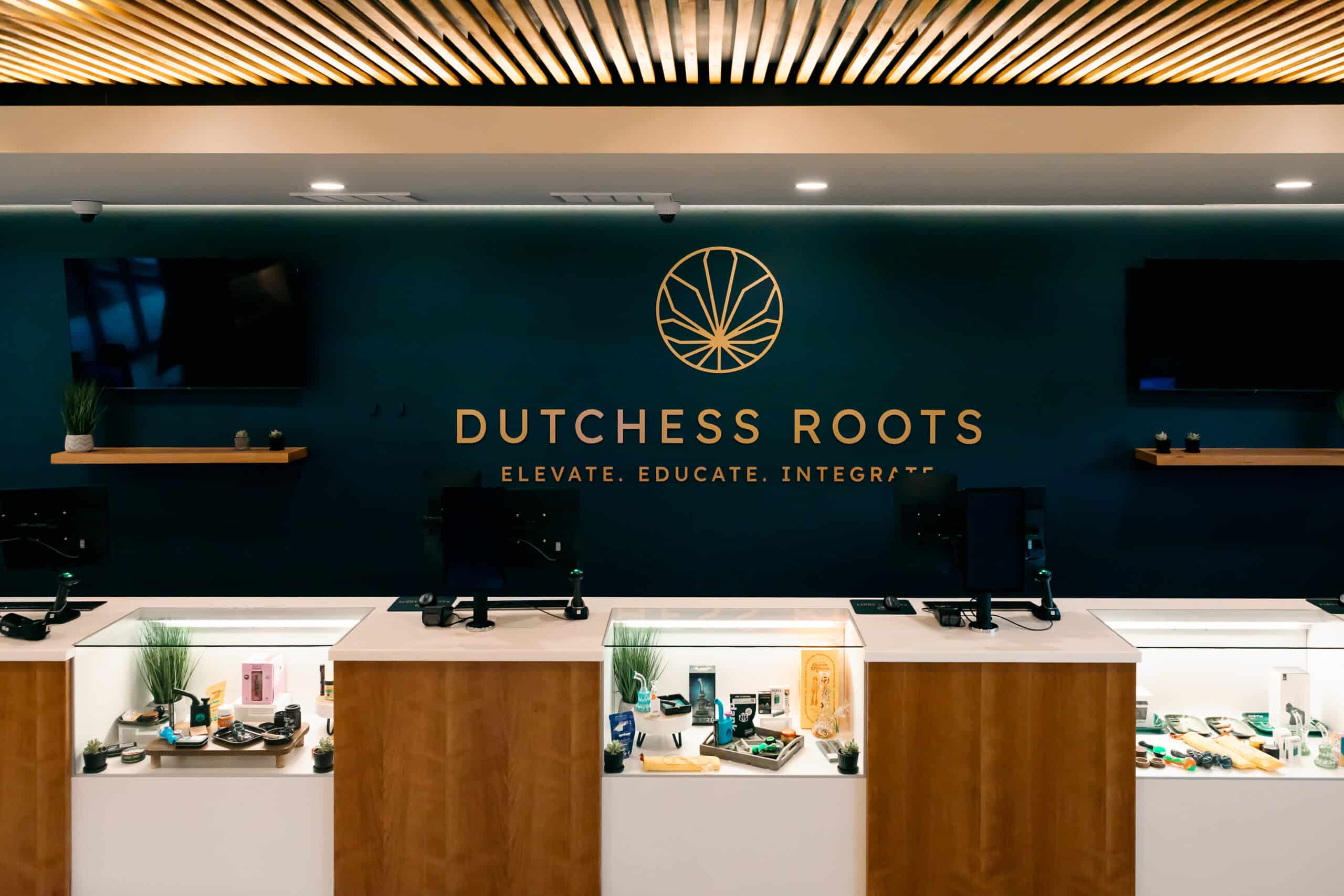
Back-to-school season means new routines, fresh notebooks, and, for some adults in Dutchess County, revisiting how cannabis fits into everyday life. With Marist University, Vassar College, Dutchess Community College, and the Culinary Institute of America all nearby, the transition can bring a surge of activity, planning, and, sometimes, distractions. With plenty of attention on “strains for focus,” it’s worth slowing down to separate what’s on the label from what we actually know and what’s simply marketing.
Do Certain Cannabis Strains Help With Focus?
It’s common to see cannabis strains or products described with words like “productivity,” “concentration,” or “focus.” While these labels are meant to guide adult consumers choosing among dozens of flower and vape options, there’s a big caveat: there is no clinical evidence that a given strain, cannabinoid, or terpene profile reliably improves attention or academic output.
Understanding What’s on the Label
Even without medical or cognitive guarantees, cannabis labels offer useful information for adults thinking about their routines. Here’s what typically appears and what it means:
- THC Content: Higher THC is often linked to more intense effects. For anyone looking for alertness or productivity, starting low and going slow can make a big difference.
- CBD Levels: Some adults seek out CBD-dominant products because they report less psychoactivity. However, how CBD interacts with focus isn’t fully understood.
- Terpenes: Names like pinene, limonene, or terpinolene pop up and are sometimes associated (anecdotally) with clearer head effects or alertness. These traits are not clinically established, and experiences vary.
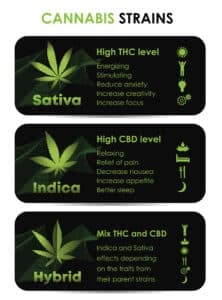
- Strain Names: Terms like “Sativa,” “Hybrid,” or “Indica” can signal expected effects based on plant lineage, but personal reactions can be unpredictable.
If you’re shopping for cannabis during the school year, focusing on how you feel, your personal threshold, and where you’ll be using is more important than searching for a so-called “study strain.”
Cannabis, Productivity, and Study Sessions: What’s Known
Despite plenty of online chatter about “best cannabis for studying” or “strains for productivity,” most product claims are based on user reports and marketing, not clinical evidence. Using cannabis before tasks needing memory, focus, or quick thinking is associated in research with potential impairment, not enhanced performance. If you have questions about cannabis, focus, or your routine, talking with a well-informed budtender or a qualified healthcare professional can be more helpful than fixating on strain names alone.

What to Ask at a Dispensary
If you decide cannabis has a place in your adult back-to-school routine, inquiring about product format, onset timing, and the overall feel of a strain can help you make an informed choice. Don’t hesitate to ask about:
- Product type (flower, tincture, edible, vape) and how quickly effects set in
- Psychoactivity level, especially for daytime or evening use
- Potency and serving size, since strong products may affect your day differently
- Any available lab results, which can inform you about cannabinoid and terpene content
Buying at a licensed New York dispensary such as Dutchess Roots can also provide more accountability and product information than uncertified sources. Just remember, no dispensary or product can guarantee better focus or academic results.
Starting a new semester is personal, and so is how you might use cannabis as an adult in Dutchess County. For support reading labels and exploring legal options, a conversation at Dutchess Roots can add clarity to your routine, even if cannabis isn’t a shortcut to sharper study habits.